Frank LaRose and Robert Sprague: Normalizing Election Denial
Frank LaRose is Ohio’s chief election official, serving as Secretary of State since 2019.
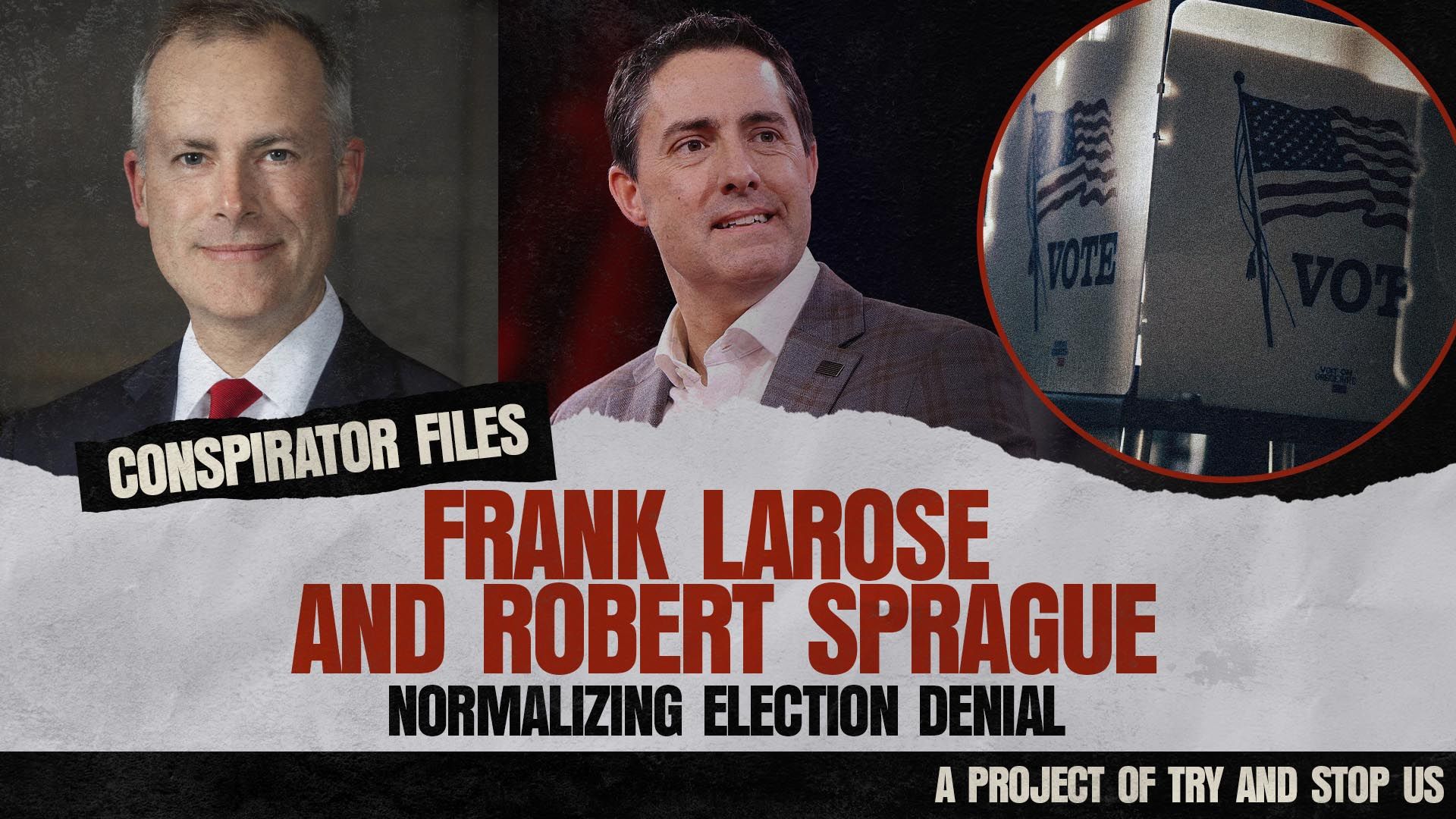
Frank LaRose is Ohio’s chief election official, serving as Secretary of State since 2019. Robert Sprague, the current Ohio Treasurer, is the Republican nominee to replace him. Both are sometimes portrayed as “mainstream” Republicans who shy away from indulging the most extreme fringe of the election denial movement, but they in fact represent the normalization of election denial rhetoric and its translation into policies that suppress lawful voters.
Worst moments:
- LaRose has frequently referred hundreds of alleged voter fraud cases to prosecutors, only for prosecutors to consistently find minimal or no evidence to back up the claims. Frustrated by his lack of success in identifying “widespread voter fraud” that doesn’t really exist, LaRose tried to have the Ohio Attorney General prosecute the cases, only for the AGs office to respond that they didn’t have the authority, and that the referrals were of low quality.
- LaRose turned over Ohio’s entire voter registration database to the Trump administration, including voters’ private information, rather than fight the administration’s request and win, as other states have done.
- Sprague has campaigned with an ad featuring a character called “Lefty the Cheat”, baselessly claiming that ballot drop boxes are insecure while insinuating that Democrats deliberately use them to commit fraud.
History of election denial
As an elections administrator, conspiracy theories about “stolen elections” put LaRose in an awkward position: entertaining the conspiracists would amount to admitting that he had failed at his job. LaRose has threaded this needle by consistently defending Ohio’s elections, which he oversees, while insinuating that other states’ officials have allowed malfeasance to occur.
In 2022, facing a primary challenge from a former state representative who ran explicitly because he didn't believe Trump lost, LaRose said that he felt there were “shenanigans” in other states in 2020. He told the Columbus Dispatch that it was “fair to discuss that there were things that happened in other states that shouldn't have happened,” and claimed on social media that mainstream media was minimizing voter fraud to suit a narrative and that Trump was right that voter fraud is a serious problem. When asked for a specific example of a security flaw in another state that LaRose was concerned about, a spokesman did not respond. Asked in a separate candidate questionnaire what went wrong elsewhere, LaRose said some states potentially broke their own laws by mailing ballots to all residents.
As Sprague has run to replace LaRose, he has parrotted conspiracist talking points to appeal to the Republican electorate. Running in the primary against a candidate explicitly aligned with the grassroots election denial movement, Sprague successfully consolidated rank-and-file election deniers with the GOP establishment by adopting his opponent’s rhetoric. An April 2026 campaign ad, released by Sprague in the weeks leading up to the Republican primary, featured a Sesame Street-inspired character called “Lefty the Cheat” jumping out of a ballot drop box before Sprague stated without evidence that “ballot boxes just aren’t secure” and asking voters not to “let Democrats trash your vote.” An analysis by the Associated Press found no cases of fraud related to ballot drop boxes that would have affected the 2020 results.
While some celebrated Sprague’s defeat of his Cleta Mitchell-affiliated rival, his victory represents something arguably more sinister: the full adoption of once-fringe conspiracy theories by a candidate running with the full support of the Republican establishment. One person who remains clear-eyed about the threat Sprague represents is his Democratic opponent, Allison Russo. Russo has not shied away from calling Sprague what he is, referring to him as “an election denier who wants to make voting inconvenient for eligible voters so that his political cronies remain unaccountable to everyday Ohioans.”
Influence over election administration
LaRose has spent the bulk of his time in office on a hunt for voter fraud hunting that keeps coming up nearly empty. From 2019 to 2023, LaRose referred 633 cases of alleged voter fraud to county-level prosecutors. Prosecutors filed charges in only 12. Lou Tobin of the Ohio Prosecuting Attorneys Association said most couldn't be prosecuted because they “lack minimal evidence necessary” and in many cases prosecutors chase down referrals only to find that “there’s nothing there.”
LaRose asked Republican AG Dave Yost to re-investigate the 621 remaining cases. Yost's office replied it lacked authority, as it can investigate voting fraud, not voter registration fraud, which made up the overwhelming majority of referrals. Tobin accused LaRose of forum shopping by taking the referrals to the attorney general. Yost also expressed frustration at the quality of the referrals, and stated that even if every case were justified there weren't enough to have changed any election. The AP found that of 621 referrals, prosecutors secured indictments against only nine people for noncitizen voting over ten years, one of whom had since died, and that the defendants were individuals acting alone, often believing they were eligible.
In October 2025, LaRose sent more than 1,000 alleged voter fraud cases to federal prosecutors. The Ohio Capital Journal calculated that, even if all of LaRose’s alleged instances of noncitizen voting proved true (doubtful given LaRose’s history of meritless referrals), it would amount to .0006% of ballots cast in the elections at issue.
Cooperation with the Trump administration’s election initiatives is a pattern for LaRose. In February 2026, he transmitted Ohio's full voter registration database to the Justice Department: names, addresses, dates of birth, last four digits of Social Security numbers, and driver's license numbers for roughly 8 million voters. Trump’s DOJ had requested it twice in August 2025, citing enforcement of the National Voter Registration Act, and LaRose had already given DHS 1,000 randomly selected driver's license records in December. Ohio Democratic Party chair Kathleen Clyde called it “an egregious abuse of power,” and Representative Shontel Brown noted that courts had already ruled the DOJ had no right to the information.
LaRose could have chosen to fight. Ohio was one of only a handful states that turned over everything including private data. By late February, the DOJ had open suits against 29 states, red and blue, that refused. States that resisted the DOJ in court have generally won.
LaRose has used the tools available to him as Ohio’s chief election officer to make it harder for Ohioans to cast a ballot. He has restricted counties to a single ballot drop box each regardless of population, a rule he first imposed in 2020 and has maintained through 2026. He sits on the Ohio Redistricting Commission, which spent four years producing maps the Ohio Supreme Court repeatedly rejected as unconstitutional, and he backed the successful campaign against replacing that commission with an independent one.
LaRose remains chief elections officer through the 2026 cycle and leaves office in January 2027. If elected as LaRose’s replacement, Sprague has committed to continuing LaRose’s efforts to make it harder for Ohio voters to cast a ballot. He’s running on eliminating drop boxes entirely, extending Ohio’s strict voter ID requirements to mail ballots, and creating an “internal audit team” to purge Ohio’s voter rolls.
Don’t read the next headline alone.
Get rapid-response alerts and the real story behind the headlines, straight to your inbox.
Get InvolvedKeep Reading
Max Miller and Derek Merrin: Vulnerable Election Deniers
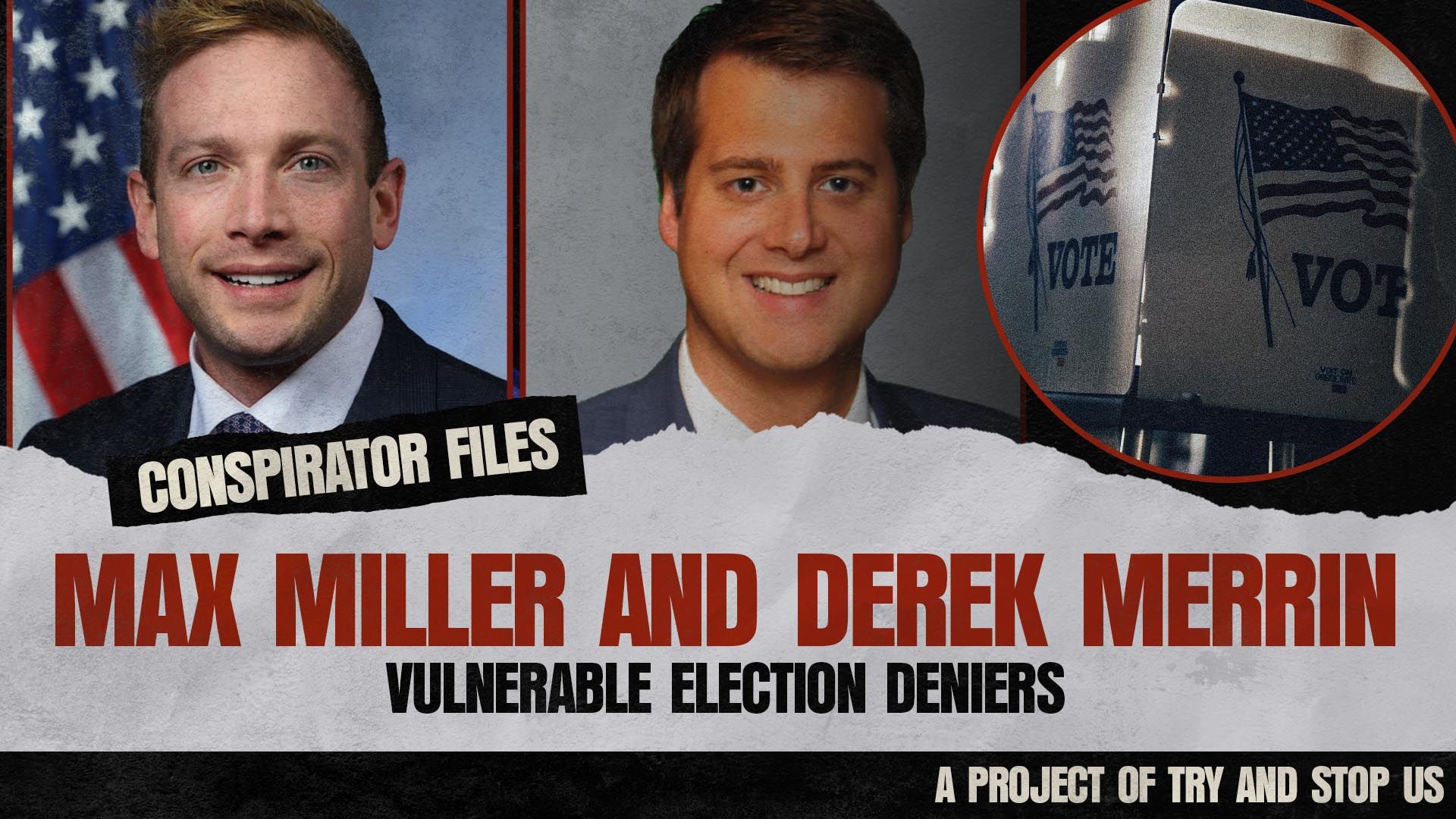
Max Miller and Derek Merrin are election deniers and the Republican nominees for two of Ohio’s seats in the House of Representatives.
Read More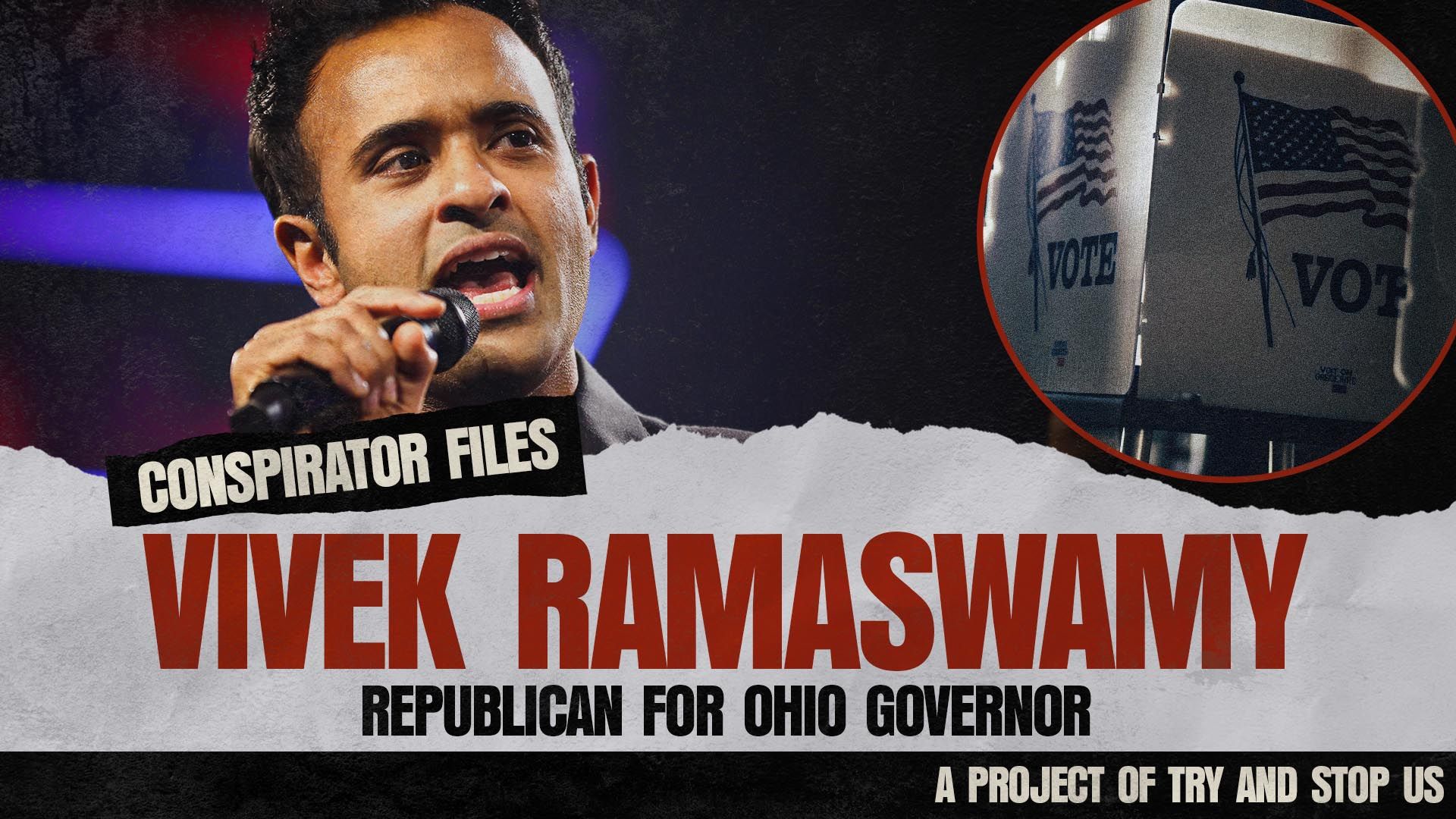
Vivek Ramaswamy: Republican for Ohio Governor
Vivek Ramaswamy is a businessman and former presidential candidate who is now the GOP nominee to serve as Governor of Ohio.
Read More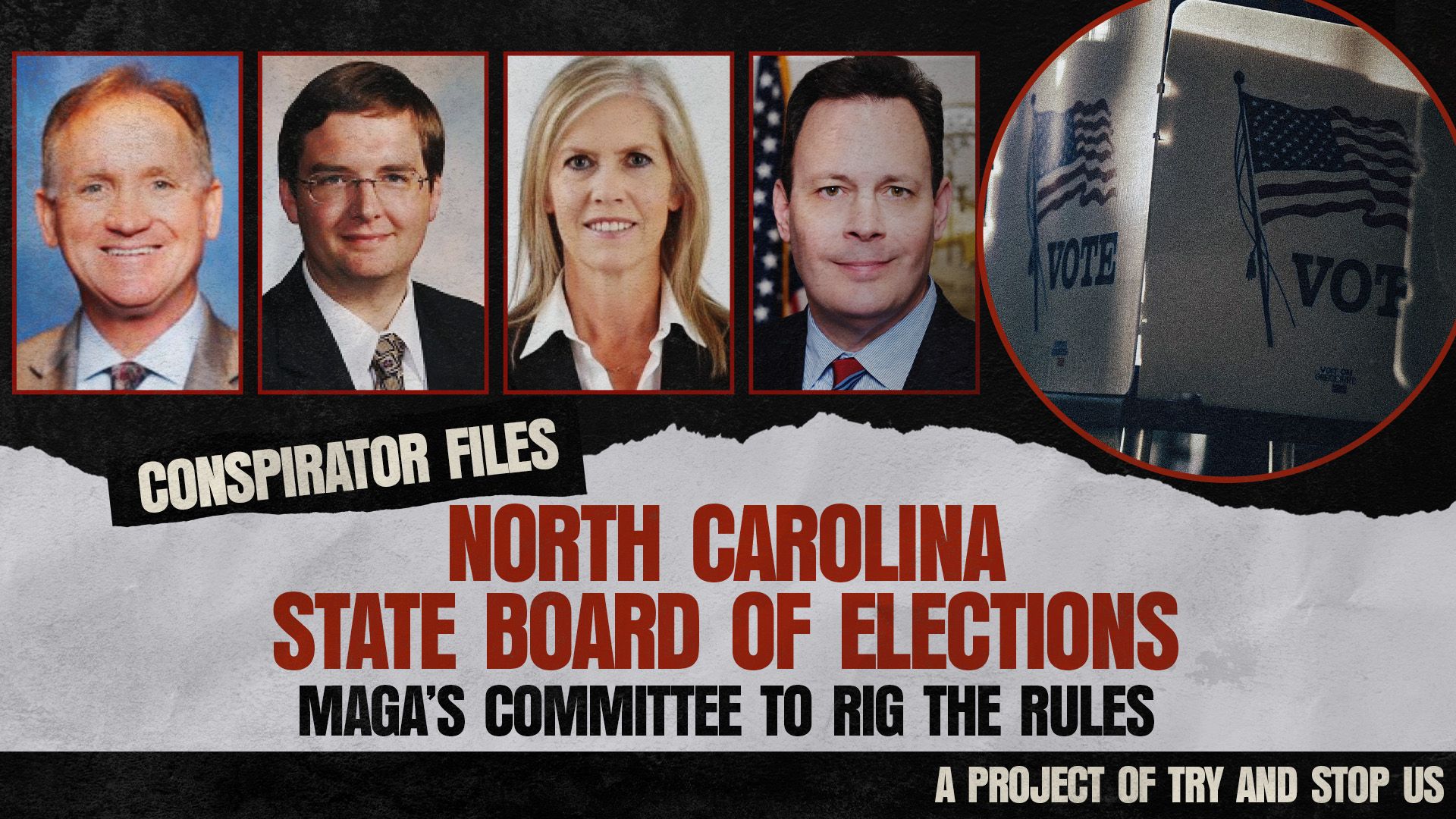
North Carolina State Board of Elections: MAGA’s Committee To Rig The Rules
Francis De Luca, Stacy Eggers IV, and Angela Hawkins are the three Republicans who run the North Carolina State Board of Elections.
Read More